

“I want young people who go through something traumatic like a brain tumour to know that there is light on the other side of the tunnel.”
In 2015, as he was preparing to sit his Leaving Certificate, Kieran Macintosh from Trim, Co. Meath began to experience severe headaches and bouts of vomiting.
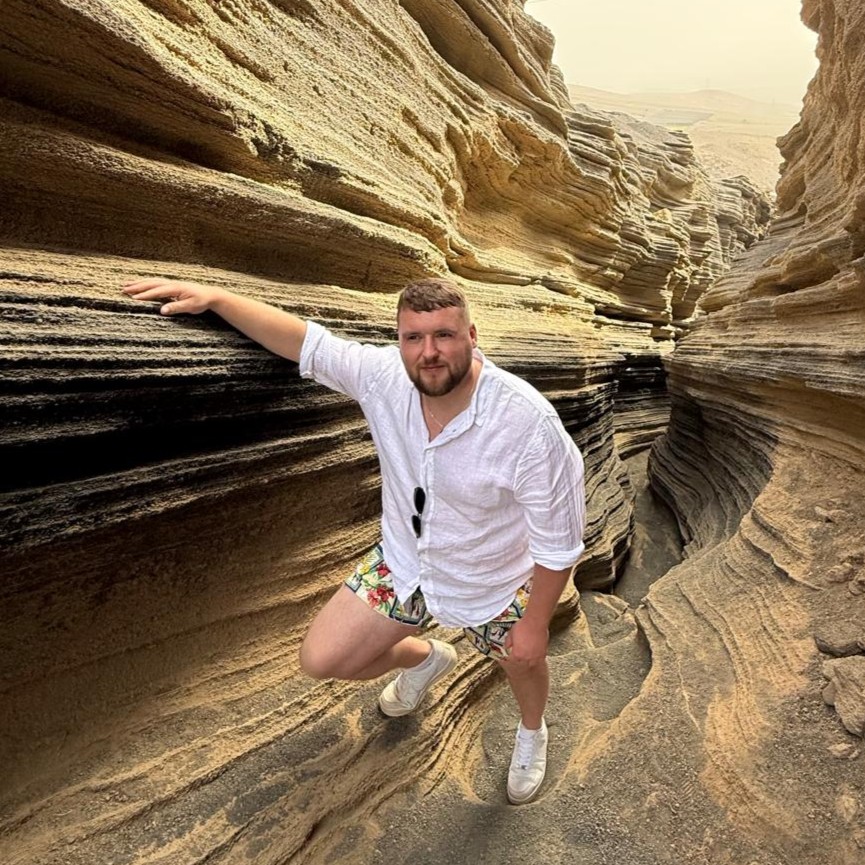
"I went to my GP and the symptoms were initially put down as stress from my exams. Soon after I had this weakness all down my right side, it was like a mini-stroke. After that they brought me in for testing and they found I had a brain tumour but at the time, it was benign.”
Kieran was regularly monitored from this point on, but no further action was required. Then, just two weeks before his final year exams in his PLC course, he suffered a brain haemorrhage at the age of 18. “The tumour became malignant, it grew and popped a blood vessel causing a brain haemorrhage. My brother, his girlfriend and their newborn child were the only ones the house when it happened. As you can imagine, it was incredibly frightening for them. I woke up five days later in hospital after an induced coma.
I underwent surgery where they stopped the bleed and thankfully were able to remove 95% of my tumour. After a period of recovery, I then had to do six weeks of radiation therapy in St. Luke’s to kill off the remaining cancer.”
Coming to terms with his cancer was challenging for Kieran, but throughout, he has maintained a positive mindset. “When I was in St. Luke’s getting my radiation therapy, I’d see children and young families. Children with bald heads from their treatment. I think that gave me some perspective on my own cancer. Yes, what I was going through was really hard, but there are people in worse positions.
I also had my family, my mother, my siblings around me to help me through. There are some people unfortunately who don’t have that network around them. I used the counselling and psychological supports in St. Luke’s and found them very helpful. I was also made aware of other supports, like CanTeen and while I didn’t really need to use them, it was comforting to know they are there.”
Kieran’s mother was previously a carer for people with brain injuries but now works as a bus escort for schoolchildren with additional needs.
“She’s been an incredible support to me. I was given a bit of a break but soon after my surgery, she would have me doing things around the house to get my strength back. She’d have me out at the washing line, taking the close pegs off and putting them back up and I was wondering why she had me at this. Then, when I went to the National Rehabilitation Unit, and I was working on my cognitive rehabilitation and my balance, I realised she was preparing me for the exercises that lay ahead.”
More than 10 years after his brain tumour was first found, Kieran still lives with the effects of his brain haemorrhage and cancer treatment. “To this day, I still have to take medication. Living after a brain haemorrhage means you’re more prone to seizures so I take anti-seizure medicine. Until recently, I had to get an MRI scan every 6 months, but that’s changed to every year now.
I am prone to fatigue and tiredness and that makes going back to college or working longer hours harder. I work part-time now and it keeps me going but I’d like to work more if I could or go back to college. I’m hoping to gradually build up to that. Like many in their late 20s, I want to be getting on with my life and moving out of home with my girlfriend but for me, that is a bit extra challenging because of what I’ve been through and am still living with.”
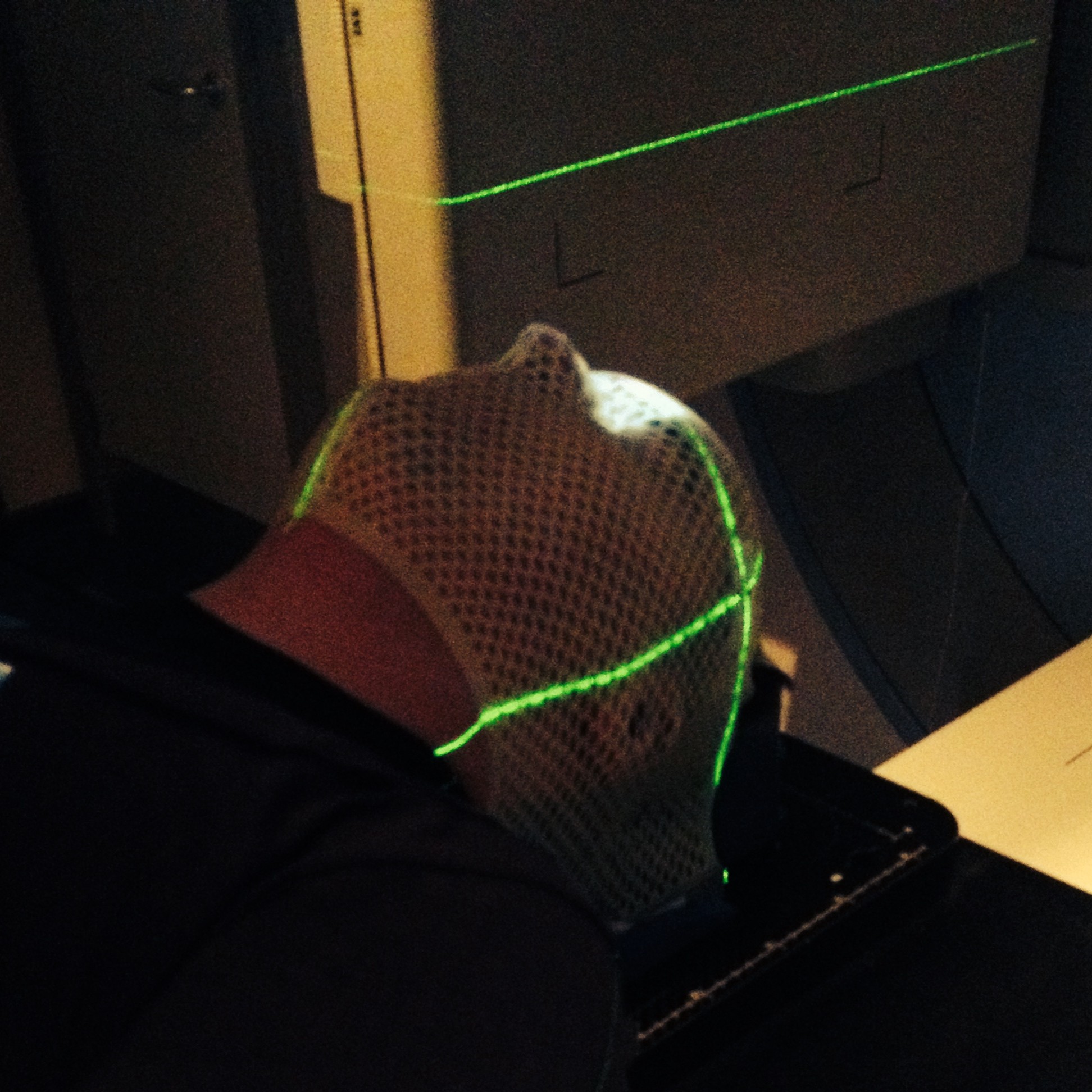
Kieran is sharing his story to show young people in particular that you can come out the other side of a serious cancer diagnosis. “I want young people who go through something traumatic like a brain tumour to know that there is light on the other side of the tunnel. Looking back at my cancer experience, it was quite a lonely place for a teenager becoming a young adult. I played soccer and had to give it up because contact sport is advised against. I didn’t get to finish college and I missed out on socialising. I just kind of fell out of my friend groups and social networks and their lives moved on while I was left dealing with my cancer.
After I stopped playing sport, I gained a lot of weight and it took me a while to get comfortable going the gym but now I have a that focus and I’m much healthier and fitter. It is of course, hugely challenging but I think looking after your physical and mental health can really help you stay positive and help with your recovery. I want any young person reading this to know it does get better and you just need to take it step by step.”

Want to get involved in Daffodil Day this year? Join us on March 20, and go all in against cancer! Click the button below to find out all the ways you can take part in Daffodil Day this year!

